


Little League season is starting again.
I know because last week I received an email from Little League International with the subject line: “What Tony Needs to Know with the Season Starting.”
Apparently, I still have a few things to learn.
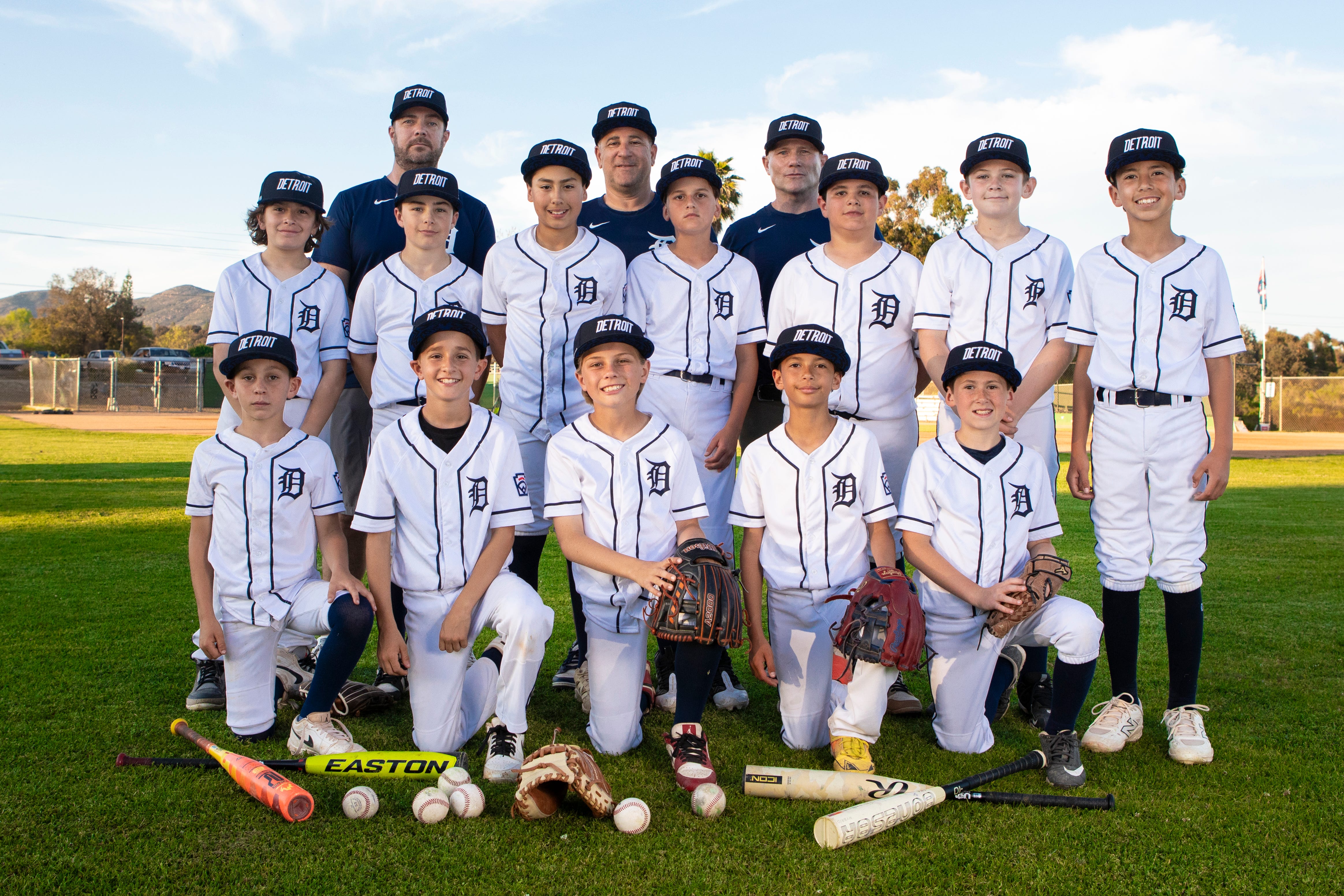
Last season, I managed my son’s final year of Little League. I wasn’t planning to, but Alex kept asking, so I said yes. I knew what it required: time, patience, emotional bandwidth. I also knew how competitive it could become — and how quickly adult pressure creeps into a space meant for children.
If I’m being honest, I loved and loathed that season in equal measure.
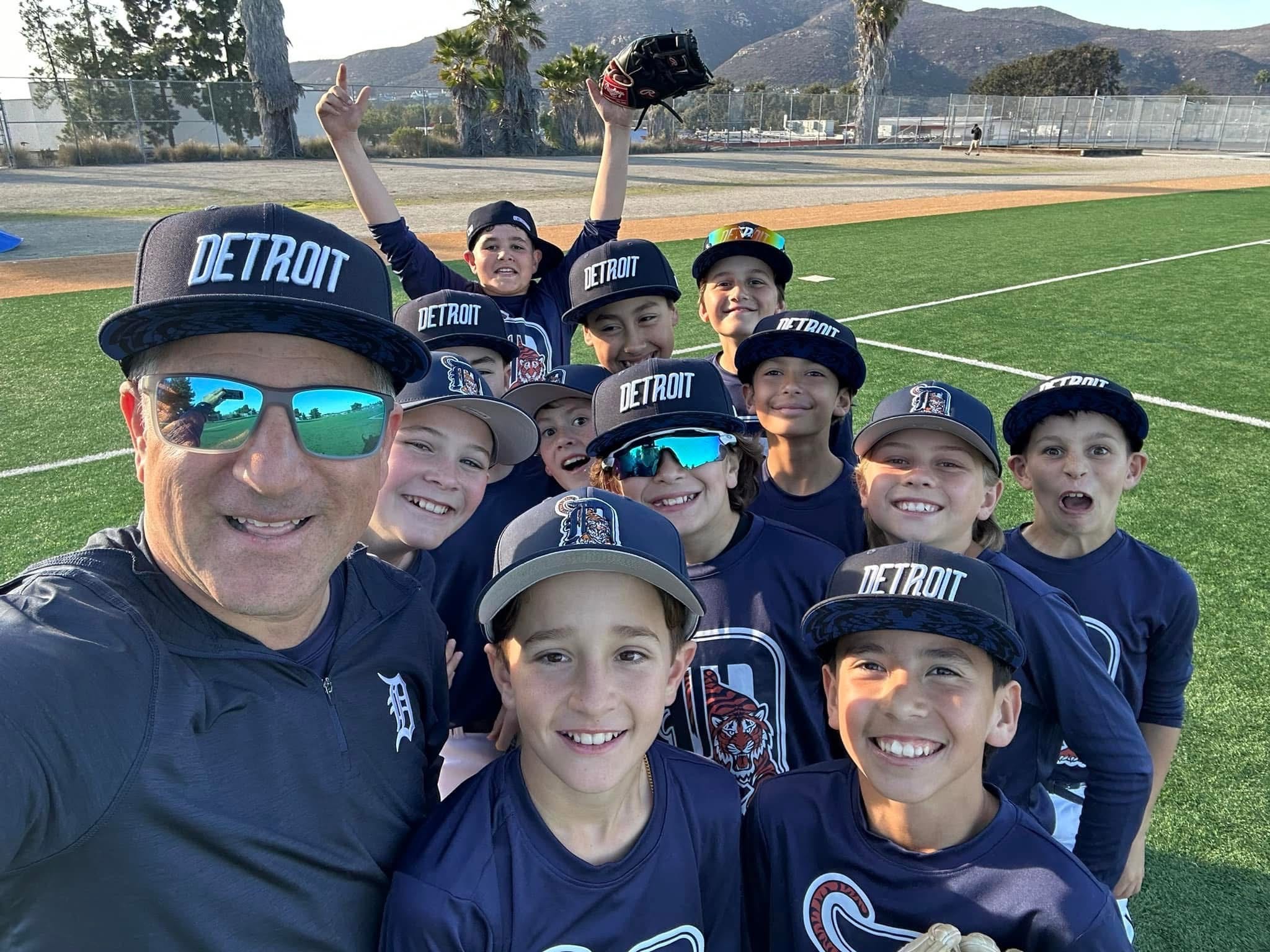
February to May
In Southern California, Little League runs February to May. It’s not a long stretch, but a lot can happen in those months.
I made mistakes, but I also saw kids thrive. While I wish I could redo some things, I know my coaches and I succeeded where it mattered most: building confidence, protecting joy, and helping boys love the game more in May than they did in February.
That’s the only stat that really matters.
There were moments I will always treasure.
I loved watering the dirt before games, the quiet rhythm before the noise. I loved the practices, the pre-game routines, the walk-up songs.
I loved watching Alex glance toward the scorer’s booth between innings, where his twin brother Nicky kept the book like it was Game 7. I loved seeing Elizabeth in the stands, always steady, always positive. I loved that my mom flew in from Detroit for a couple of games and sat bundled up in the front row.
What stays with me are those small moments.
The dad who texted me action shots after games. The mom who brought me drinks and snacks. The day I canceled practice and organized a Wiffle ball tournament—I’ve never seen a happier group of boys. The dugout coach who loved to talk strategy and was always encouraging, especially after a tough loss. “Tony,” he’d say. “The Baseball Gods weren’t with us today.”
One of our players found me after every game, looked me in the eye, and said, “Thank you, Coach!”
After our final game, his grandmother approached me while I was cleaning out the dugout and told me I was the best coach he’d ever had.
I also watched another one of my players — who returned to the game after sitting out a season because of a bad experience the year before — rediscover his confidence and joy. By the end of the season, he told his parents he wanted to keep playing.
Our starting catcher had never caught before. By May, he was asking for lessons.
That’s why we do it.
And yet.
There were moments that drained me — and not because of the kids.
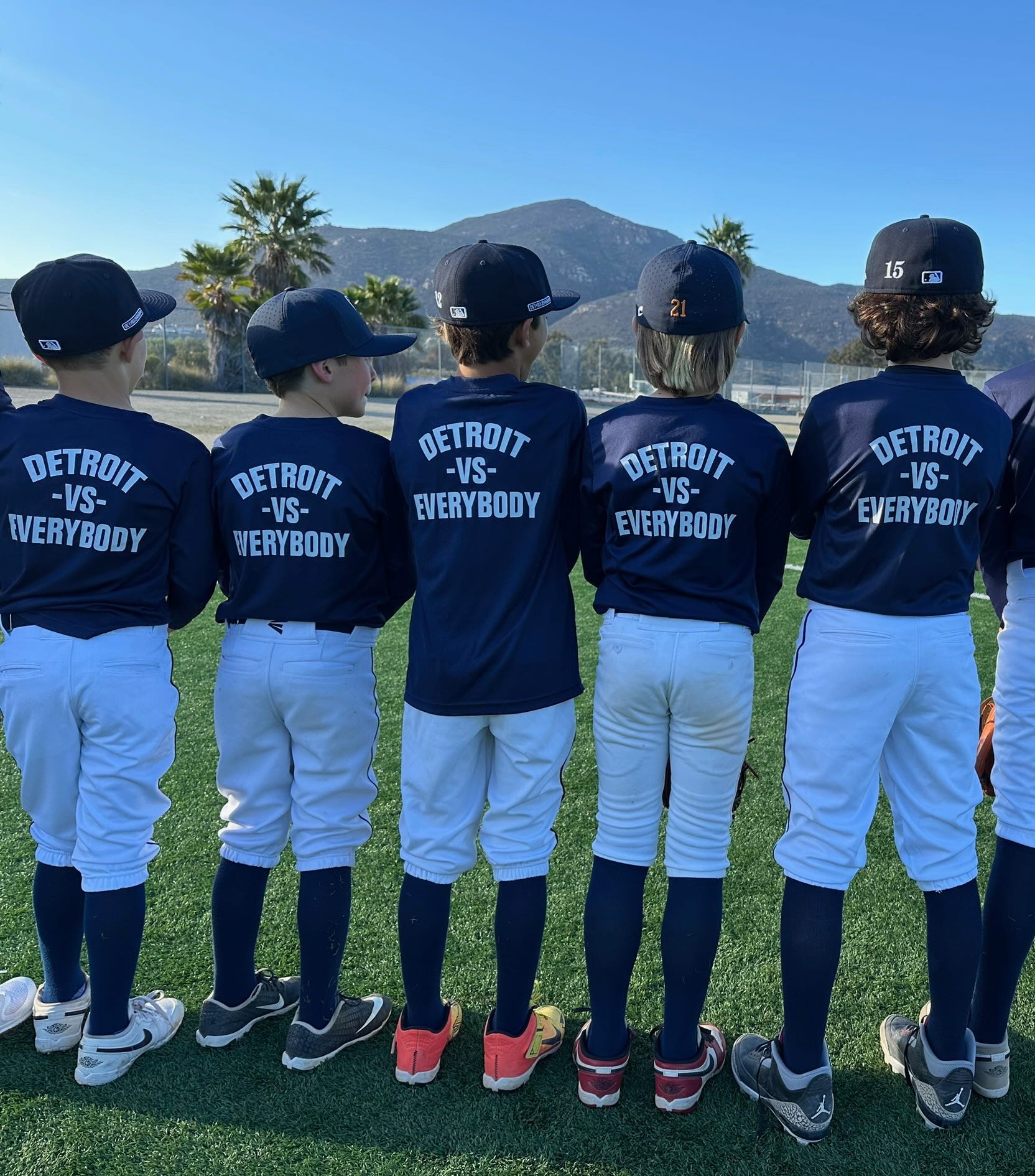
How the Magic Disappears
Little League is for children. But adults inevitably bring expectations, loyalties, competitiveness, and long memories into a space that was never meant to carry that much weight.
Most board members volunteer countless hours. Without them, there is no league. But youth sports is also a small ecosystem. Friendships overlap with leadership roles. Decisions carry personal history. Competitive instincts don’t disappear just because players are 12.
It doesn’t take many tense moments for the temperature of a season to change. A pitching decision can ripple into the stands. Adult conversations travel faster than we think. Kids may not understand politics, but they sense when something isn’t right.
Culture in youth sports is fragile. It doesn’t erode all at once. It fades in the small moments — when ego outruns perspective, when urgency replaces patience, when winning matters more than development, when politics drive decisions.
Protecting culture requires steady leadership at the top — and coaches and parents who absorb frustration without passing it on, who remember the field is for growth, not ego.
It also requires parents to pick battles carefully. Not because you should agree with everything, but because fighting every perceived injustice rarely ends well. In youth sports, escalation may create change, but the fallout almost always lands on the kids.
Politics and tension didn’t define our season. But they reminded me how the magic can disappear if adults aren’t careful.
Whatever tension brewed beyond the lines, the smiles in the dugout brought me back and reminded me that baseball is a kid’s game.
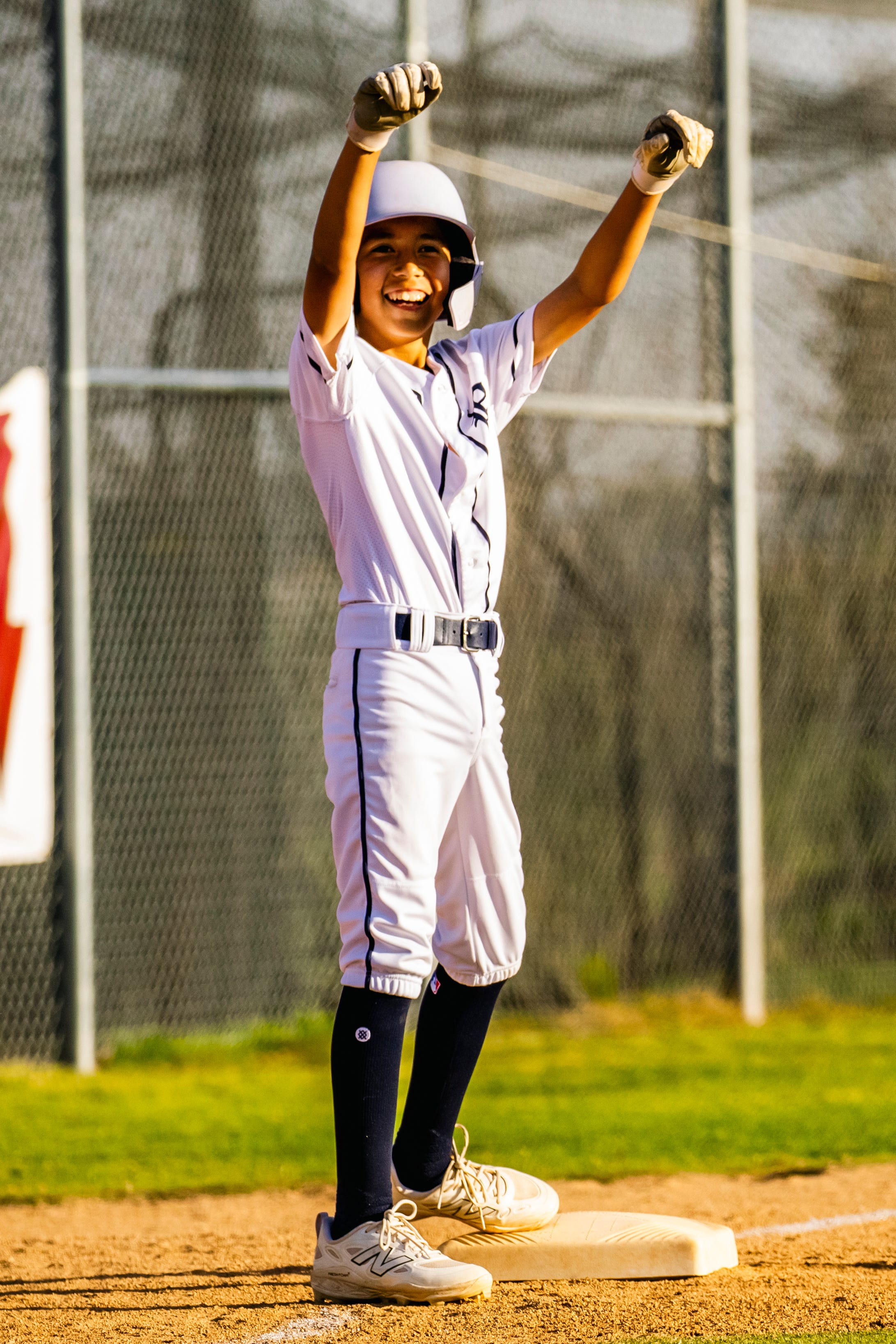
‘Dad, it doesn’t matter’
When I look back, what I remember most is how the season ended.
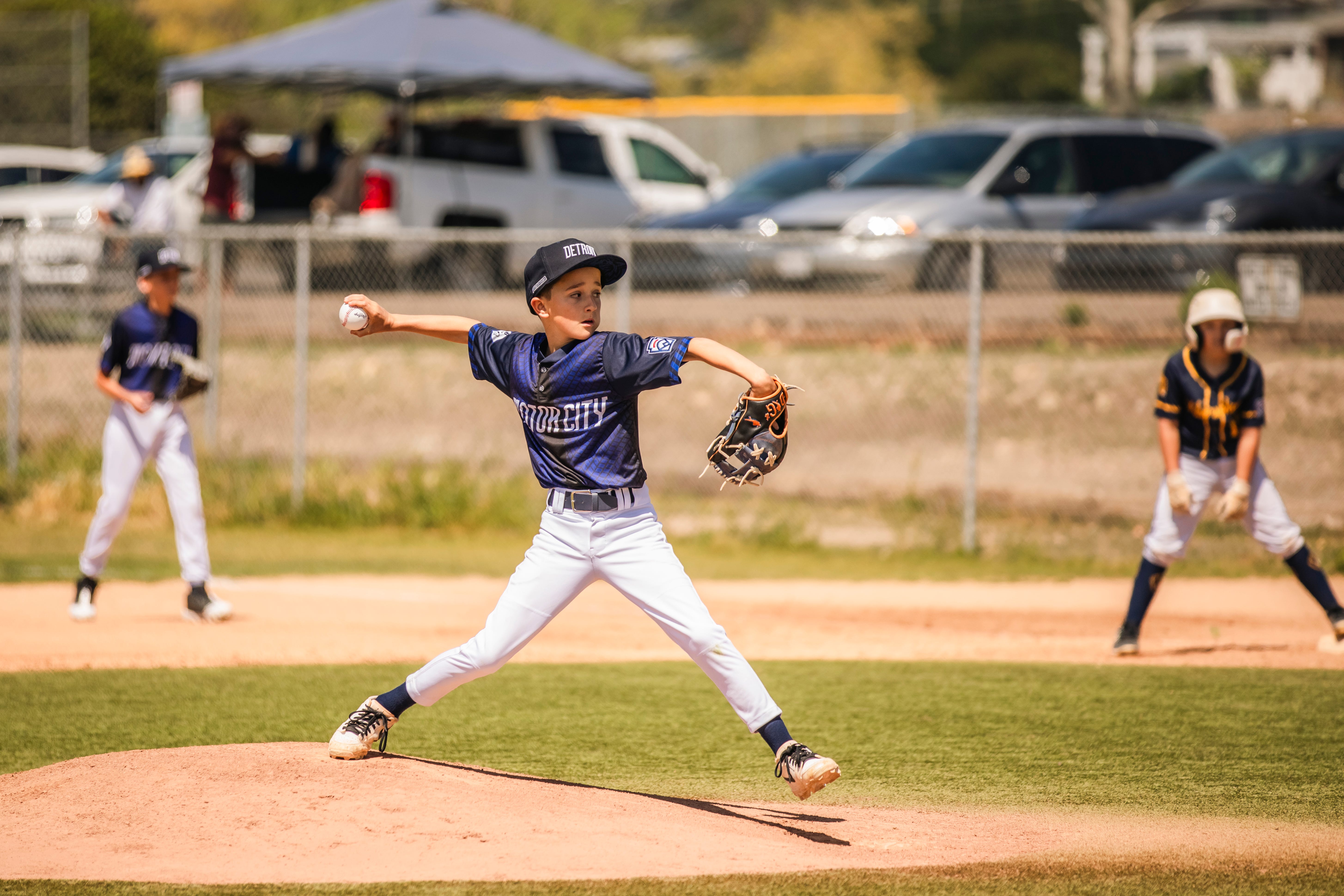
A 2–1 walk-off loss in an elimination game. Alex pitched the entire game — the first time I let him do that. A home run ended it.
He was crushed.
As he walked off the mound, I knelt and hugged him. I told him how proud I was. I told him I loved him.
He went to join his teammates but didn’t get far. The opposing manager — who also happens to be the league’s board president — stopped him and placed his hands on Alex’s shoulders.
“You have nothing to be ashamed of,” he said. “That’s the best I’ve seen a kid pitch in a while.”
Alex never made it back to the bench. Teammates and buddies from other teams who had been watching from the fence surrounded him. They saw the hurt. They put their arms around him and told him he’d thrown a great game.
That’s when I felt it.
Later, in the left-field grass, I told the boys I’d never forget them. That they played hard. That they grew. That I loved them.
The next afternoon, on the way to a hitting lesson, I replayed the final inning.
“I should have called a curveball,” I told Alex. “Or walked him.”
He had just struck out the leadoff hitter. He pounded his chest and yelled, “Let’s go!” He looked electric. He’d been hitting his spots all game. He was in attack mode.
So was I.
I stepped out of the dugout, not to cool him off but to pump everyone up. “Let’s go!” I shouted.
Calling timeout didn’t feel right. Walking their best hitter didn’t feel right either. It would have signaled caution.
He was our ace. I once heard one of the boys say, “Alex is pitching today. We’re good.” This was his moment. I didn’t want to manage him out of it.
A few days later, another manager asked me, “Why did you pitch to him? I wouldn’t have given him anything to hit.”
The father of the boy who hit the home run told me he said to his wife during the at-bat, “I bet Tony walks him.”
The cautious move was obvious. Maybe they were right. But that’s the thing about hindsight. It makes conviction look reckless.
In real time, my son wasn’t pitching scared. I didn’t want to manage scared either.
If I’m honest, what I wrestled with wasn’t whether there was a safer call. It was whether I could have engineered a better ending.
That’s different.
Because if I could rewind it, I’m pretty sure I wouldn’t change a thing. In that moment, I chose belief. I chose to trust him and attack rather than signal doubt.
That night at dinner, Elizabeth said something that stuck with me.
“You don’t walk an 11-year-old,” she said. “You give him his shot. You don’t take that away from him.”
She then reminded the boys — and me — that we don’t let fear drive our decisions.
Later that evening, my catcher’s dad texted me. “Alex pitched a great game today,” he wrote. “Sometimes when you throw strikes, a big strong kid runs into one.”
He was right.
I called for an inside fastball. It leaked down the middle. The ball cleared the fence. That’s baseball.
What lingered for me was the illusion that I could control how the story ended.
Alex wasn’t carrying that illusion.
“Dad, it doesn’t matter,” he said from the passenger seat of my truck. “We had a great season.”
He was right.
I hate losing. I always have. But that afternoon I realized I was still carrying it — and he wasn’t.
I was replaying one pitch. He was remembering four months.
That perspective is the point.
Not one pitch. Not one game. The only stat that really matters is whether they love the game more in May than they did in February.
And he did.
Go Deeper
Some of you are dealing with issues that keep you up at night: Your kid can’t recover after an error. He doesn’t like his coach. He’s constantly checking GameChanger and comparing himself to his teammates. He wants to quit.
That’s what my one-on-one coaching sessions are for.
Visit my Stan Store to book a coaching session, email questions, order playbooks, or inquire about speaking.
About Baseball Dad & PR Guy
Baseball insights. PR perspective. And a few curveballs along the way.
I started Baseball Dad & PR Guy to share what I’ve learned from two worlds that have more in common than you’d think: youth baseball and public relations.
Both teach preparation, communication, leadership, patience — and how to handle the spotlight and life’s curveballs.
Through my 12-year-old son Alex, his teammates, and his coaches, I’ve come to love baseball — its beauty and its challenges. My goal is to help baseball parents avoid common mistakes and better support the journey their son or daughter is on.
On the PR side, my goal is to help young public relations professionals reach their potential and perform with confidence when it matters most.
If any of that resonates, you’re in the right place.
⚾️ Join our growing community of parents helping parents: Travel Baseball Moms & Dads on Facebook. More at tonymanolatos.com or via Linktree. 🔗