


Between games at a tournament recently, when Elizabeth and I were doing our best to try and get Alex to eat, he said something we weren’t expecting.
“I had a little PTSD,” he said.
I looked up from the cooler and met his eyes. I knew what he was talking about but I also didn’t know.
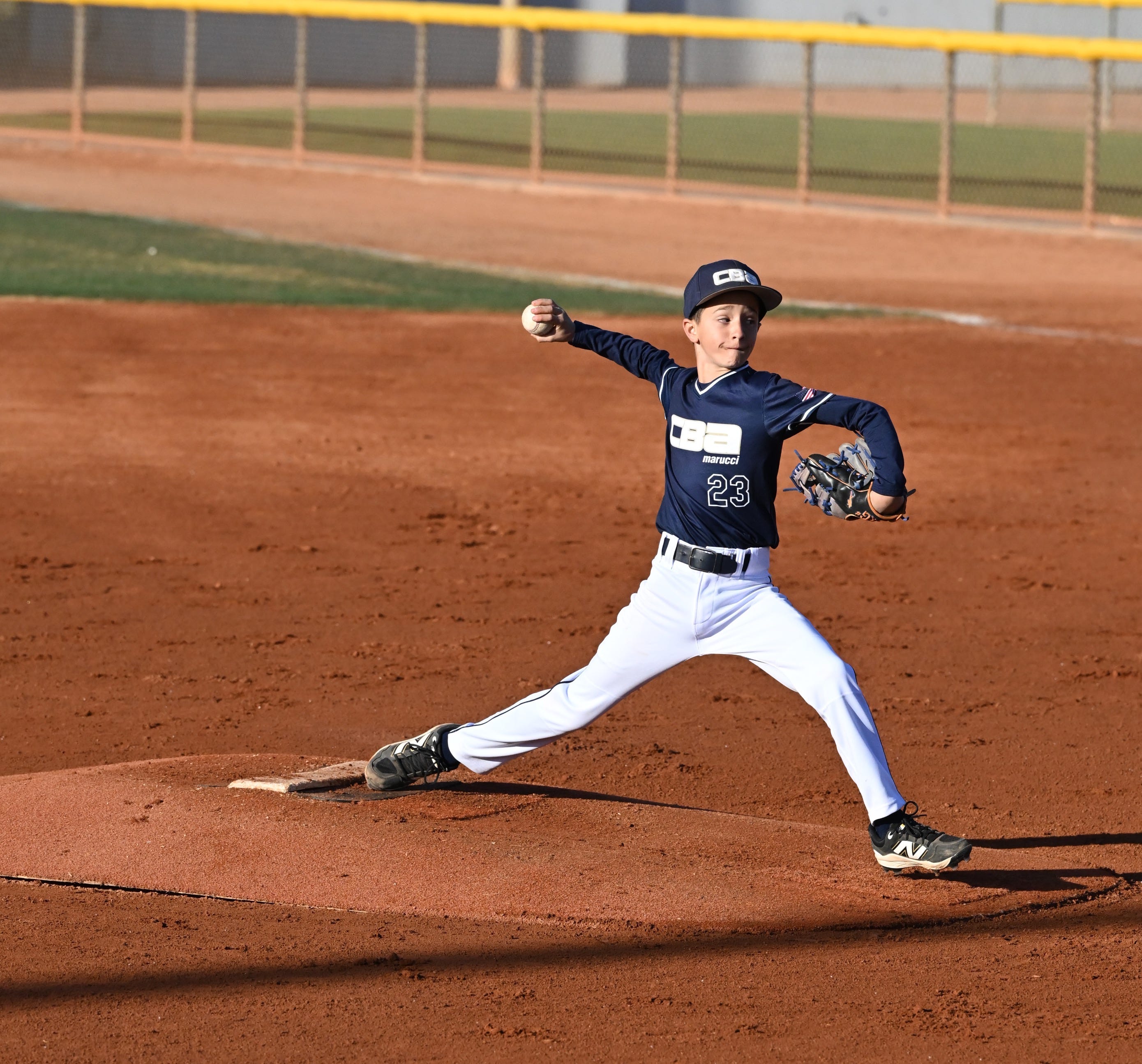
His team had just won and Alex pitched two innings. He did fine. Not as efficient as he normally is.
His coach was on him the first inning—missing high, not finishing. That’s not him. He usually misses low and away. Between innings, his coach showed him what he was doing. Next inning, different pitcher. Everything down and hard. No issues.
I learned never to bring up the negative with Alex after games. If he wants to talk about it, and he usually does, he will bring it up. So I had no intention of asking him why he was missing high.
When he told me he had a little PTSD, it took me a second. Then I remembered.
A few nights earlier he and Elizabeth called me on the way home from practice to tell me he had been hit again by a line drive back at him while he was pitching during a scrimmage. Biggest kid on the team smoked one of his fastballs. I could tell by his voice he was fine, but I asked him if he came out of the scrimmage.
“No, I struck out the next batter,” he said.
About a month before that, in early March during bracket play against a ranked team in Arizona, Alex was knocked off his feet by a line drive while he was pitching.
Both liners hit him in nearly the same spot, just below his arm pit and slightly around his back. He’s a righty so the balls tagged him during his follow through.


The field ump in Arizona, with everyone nervously huddled around Alex, made us all laugh when he said: “Before you throw another pitch, I’ve got something to say: That would have scared the s^*t out of me, so I want you to know I’ve got an extra pair of underwear in my bag if you soiled yours.”
Next pitch wasn’t a pitch. Alex picked the kid off at first base who had just knocked him to the ground—an exciting moment that helped his team to a 3-2 win.
I recalled all of that as Alex told me in Huntington Beach he was a little nervous on the mound. That’s why he wasn’t finishing and was missing high. Not mechanics. Nerves.
You never really know what a kid is bringing into a game.
Which is one of the reasons coaching from the stands doesn’t work. Kids are already dealing with a lot. Some of it we don’t even see.
A comment from a coach.
Teammates battling for playing time.
A friend leaving for another team.
Stuff we barely think about, but they carry with them. All the more reason to keep things light and not add more pressure.
Don’t miss one of my most popular essays. ↓

My mom texted me the other night about Alex getting hit twice in two months.
“I feel if you want to see him pitch in later years, I think you should allow him to stop pitching now. He’s been hit hard twice and if he’s feeling any kind of stress from it, he does not deserve to live under that kind of pressure.”
“Sorry, just my feelings as your mother and his Nana. Just remember, I raised two boys also, and they were both very good athletes. Amen. Amen.”
For the record, my brother was the star baseball player. Football was my game.
I love my mom and I love her for caring so much about Alex, but not pitching would be like asking him to send our new puppy back to the shelter.
Alex can play any position on the field, and some games he plays most of them, but when we’re at a restaurant after a game and the waitress looks down at him and asks what position he plays—he always says the same thing:
“I’m a pitcher.”
Go Deeper
Some of you are dealing with issues that keep you up at night: Your kid can’t recover after an error. He doesn’t like his coach. He’s constantly checking GameChanger and comparing himself to his teammates. He wants to quit.
That’s what my one-on-one coaching sessions are for.
Visit my Stan Store to book a coaching session, email questions, order playbooks, or inquire about speaking.
I also put together a simple 2-minute script for the car ride home: what to say, and what to leave unsaid. Free for subscribers. ↓

About Baseball Dad & PR Guy
Baseball Dad & PR Guy is a weekly newsletter about youth sports culture and how parents and coaches shape the experience for young athletes.
Subscribers also get what I use after games—what to say, and what to leave unsaid on the ride home.
My essays are built around the 5 Moments That Shape Young Ballplayers, from the nerves before a game to the car ride home.
From the stands, I write about those moments and what they mean for confidence, identity, and a kid’s love of the game.
Read more about the 5 Moments and why they matter.
⚾ Join the conversation: Travel Baseball Moms & Dads (Facebook)
⚾ Follow along: Tony Manolatos – Baseball Dad & PR Guy (Facebook)More at tonymanolatos.com
Great read… thank you!
https://jacobsladder31.substack.com/p/jacobs-ladder-chapter-13?r=2etiuz&utm_medium=ios
Trying to remember, is he 12 or 13? Either way those distances and U-trip bats are ridiculous.