


I spend a lot of time with other baseball dads, baseball moms, and baseball grandparents. We talk a lot, and sometimes I say things I wish I hadn’t. Like recently when I said to a dad, “I’m sorry” moments after his son gave up the winning runs in a close game that knocked us out of a tournament. Ugh, I thought, why did I say that? The dad, who is one of those really great guys, handled it beautifully. “Oh it’s okay,” he said. “They’re 12 — sometimes they have it and sometimes they don’t.”
Sometimes the baseball dads I hang out with say things to me that are pretty cool. Recently one said, “I love the way you talk to Alex during games. I hear you. You are really good with him.”
“Thank you,” I said, “I appreciate that.” Then I added: “It wasn’t always that way. I’ve learned a lot over the years, especially with the car ride home.”
That struck a chord because the father talking to me and the one sitting next to him immediately shook their heads in agreement and one said, “Man we all have trouble with the car ride home.”
If you’ve ever come home from a game thinking, “I made that worse” or “I’m not sure how to help him”—I put something together for you. I’ll send it to you when you subscribe. ↓

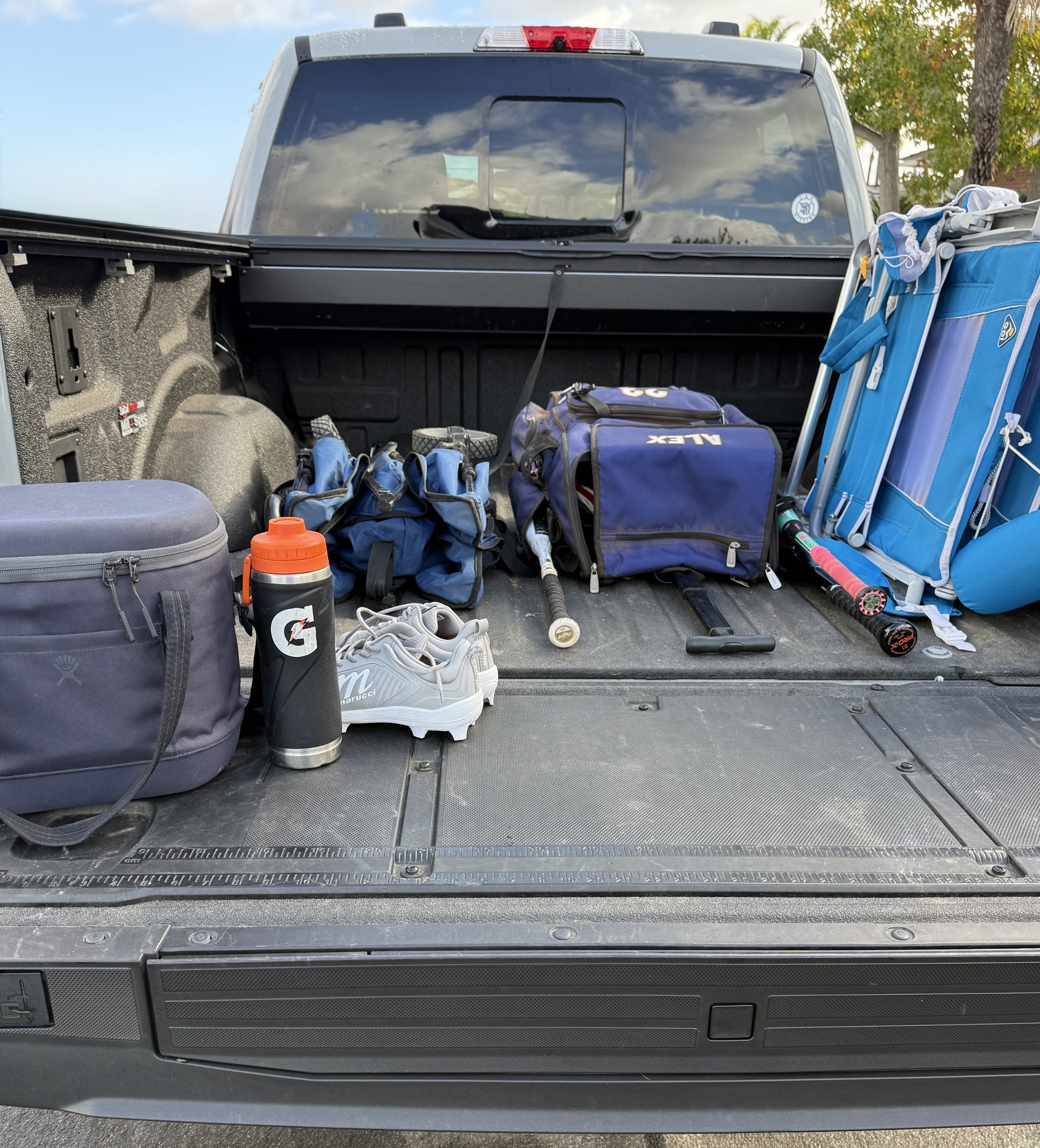
During Alex’s games I never say anything negative and I leave the coaching to the coaches, but if he takes some bad swings and rolls over I sometimes let it impact my body language. I don’t mean to and when I notice my shoulders shrugging or my head leaning down, I shift back to a more natural and positive position because I know he’s watching me.
Elizabeth has said more than once, “It doesn’t matter what you say, he sees you — so smile.”
A lot of kids will glance over at their parents on their way back to the dugout. You see it when they’ve just struck out the side or when they’ve just struck out with the bases loaded. It’s human nature. It’s only for a moment, and if you’re not paying attention you won’t notice.
Your approval matters more to them than anything. I’m going to say that again because it’s so important for all of us baseball parents to understand: Your approval matters more to them than anything.
If they ground out to end the inning with runners in scoring position don’t smack your hands in disappointment or say things like, ‘What are we doing?!’ Instead, clap and give him credit he deserves for doing something hard: “Good at bat, son! Heckuva battle! You took some good swings.”
Hitting well is the hardest thing to do in sports. Pretty much anyone who plays can get up there and hit the ball — soft ground outs, infield pop-ups. Elite hitters take great swings more often than not, but even then the results are rarely grand.
How many times have you seen your son up to bat with bases loaded? He loads, he transfers flawlessly, he’s on time, his head is down, his barrel is in the zone, his base is strong. He crushes the ball — a frozen rope, a rocket — but this one heads directly to the centerfielder. Easy out. Inning over. But that’s a win. Set the result aside.
What you should want to see are good swings, good at bats, tough outs. Control the controllables. Process trumps results.
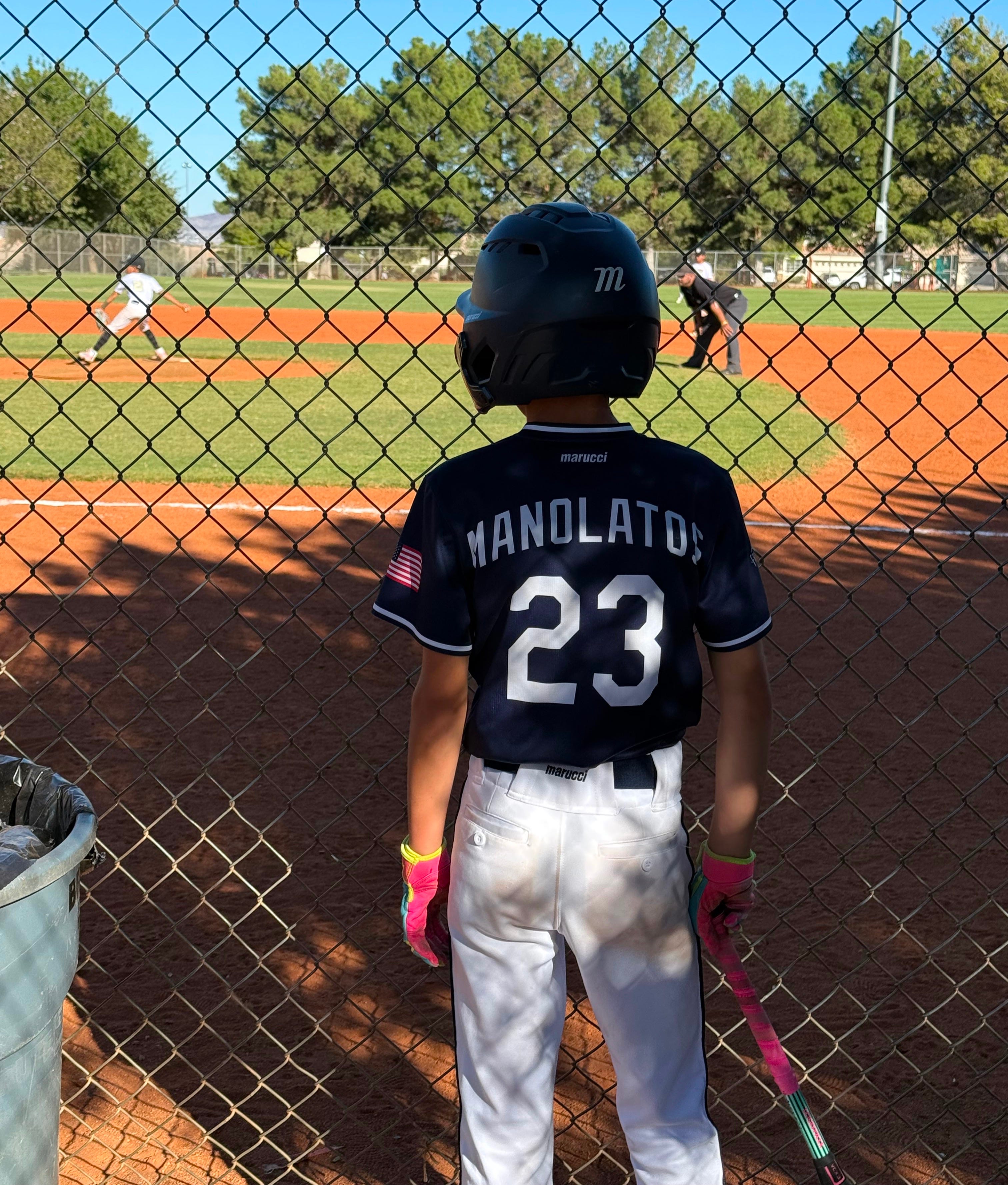
Whatever happens, the game will end and you will end up in the car with your child. As I mentioned, this used to be a tough time for Alex and me because I didn’t handle it well. It’s not something a lot of parents handle well. But we should, especially if we want to avoid hurting their confidence and our relationship with them.
They don’t want to feel nervous getting into the car, worried about your reaction. If you start critiquing his performance and showing your disappointment, he’s going to roll his eyes and tune you out, and sometimes he might cry or argue with you. These aren’t moments any of us wish for and unfortunately they are not going to quickly fade away. Some major leaguers still struggle with their relationship with their fathers, and those who do often trace the tension back to those car rides home.
If your son is playing competitive baseball he’s probably a smart ball player, which means he likely knows what he did right, what he did wrong, and what he needs to work on, long before he gets in the car. Your job is to give him room to fail. Your job is to smile, hug him, tell him you love him and that you love watching him play ball. And then ask him if he wants to get a burger. That’s it.
All of us, or most of us anyway, are wired to focus on the negative and he/she is no different. So if he opens up and starts talking about what he did wrong at the plate, for example, let him finish and then say something like: “Sure I get that and I know that’s tough, but man did you pitch well today.” Or, “…..but you made all your plays in the field. You looked great out there today. That catch you made in centerfield was beautiful.”
SIDEBAR: Once after a game while walking to my truck I said to Alex, “Did you see that catch you made down the left field line on that towering fly ball that was tailing away from you? That was a beautiful catch, buddy. Wow!” He laughed and said, “Dad I literally made the catch. So yeah, I saw it.”
Your kid may have done a dozen things well in a game and messed up once or twice. If so, he’s likely going to focus on the stuff that didn’t go well. Help him pivot away from that.
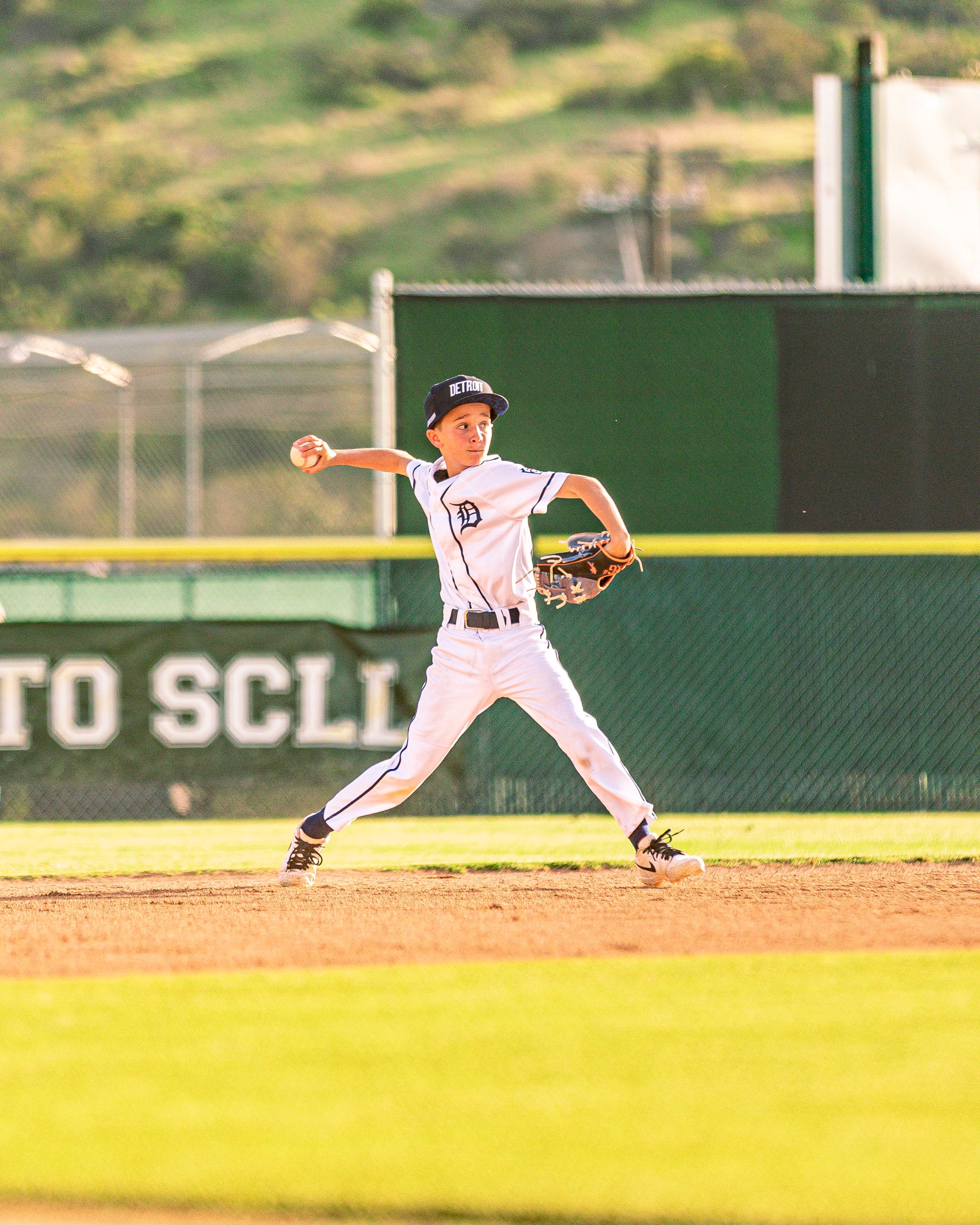
You know he trusts you when he lets you in. He may ask, “Dad, what did I do wrong at the plate today? What did you see?”
When that happens you might say, “I honestly don’t know, son. Let’s look at the video when we’re home.” Or you might say, “You did a lot of things right. Your timing was just off.”
We have to be steady and supportive not surly or sad, especially when our kids are down.
Be their biggest fan in public. Be their coach only if they ask — and even then, be gentle. This is their journey, not ours. They’re leading it, not us. We’re there to guide not direct them.
It’s hard not to let your emotions get the best of you sometimes. But it’s important to take the high road — Elizabeth says, “You never regret taking the high road” — if you want a relationship with your son built on trust, respect, and love. One that is so strong that he looks forward to car rides home with you.
If stories like this resonate with you, I share one every week. Subscribe if you haven’t already — and please share this story with another baseball parent or coach. It’s through you that we can change the experiences we create for our kids.
Don’t forget to get your free copy of The Car Ride Home Playbook.
Thank you and Happy Holidays!
About Baseball Dad & PR Guy
Baseball Dad & PR Guy is a weekly newsletter about youth sports culture and how parents shape the experience for young athletes.
It’s built around the 5 Moments That Shape Young Ballplayers, from the nerves before a game to the car ride home.
From the stands, I write about those moments and what they mean for confidence, identity, and a kid’s love of the game.
Read more about the 5 Moments and why they matter.
⚾ Join our growing community of parents helping parents: Travel Baseball Moms & Dads on Facebook.
More at tonymanolatos.com