


When I first became a baseball dad, I started noticing a pattern.
It usually showed up in the winter, after a long season. A handful of kids—often pitchers—would start missing practices or games. Sometimes it was Little League elbow. Sometimes a growth plate issue. A few times, it was worse. More often, it was just a really sore arm that needed real rest.
Pitching injuries aren’t new. At the upper levels—where the constant pursuit of velocity has fueled a surge in arm injuries—Tommy John is as well known in the dugout as Rawlings. What stood out to me, as a dad and coach, was that the kids getting hurt were usually those pitching too much or throwing mostly with their upper body instead of their lower half.
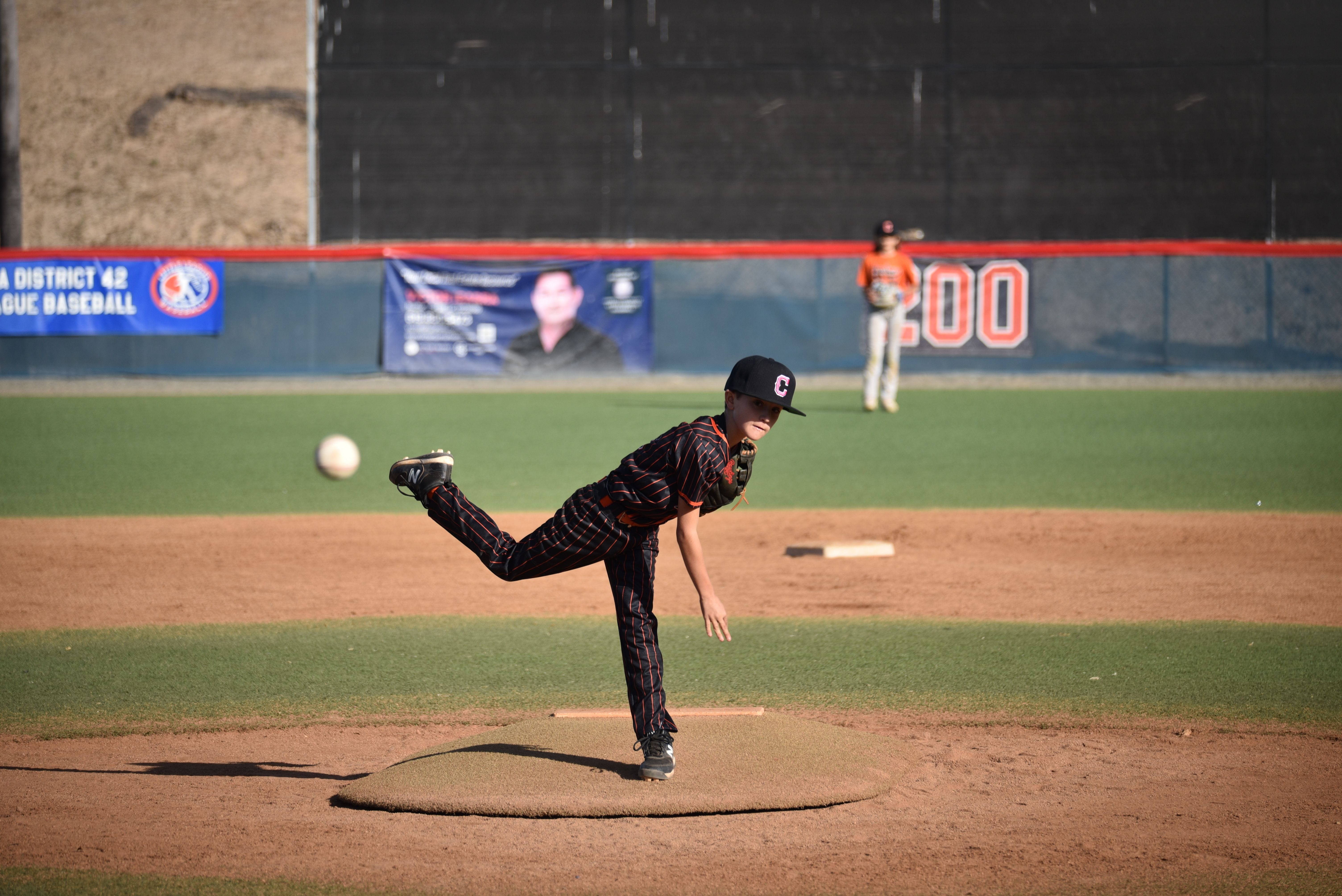
That pattern stuck with me—especially because our son Alex, now 12, has been a pitcher since he was eight.
Elizabeth and I began studying best practices and asking questions about workload, mechanics, and long-term development. We’ve settled on an approach that has worked for Alex, but there’s no single blueprint. Like most youth baseball parents, we’re still learning, too.
Yesterday, Feb. 15, was Alex’s first time on the bump in two months. He pounded the zone—and he and his teammates pounded the ball.
Alex has always loved being on the mound. He’s the kid who wants the ball in his hand when the game is on the line. And because he’s been good at it—hitting his spots and keeping hitters off-balance—he’s carried a heavy load as a pitcher for his teams. That reality has always given Elizabeth and me pause.
If you’ve ever come home from a game thinking, “I made that worse” or “I’m not sure how to help him”—I put something together for you. I’ll send it to you when you subscribe. ↓

During T-ball, there’s obviously no pitching.
Same thing in CAPS, when the league my sons played in used a pitching machine.
But then came Rookies—and that’s when pitching began.
Elizabeth and I knew pretty quickly that Alex was a pitcher.
It became especially clear during the championship run that season. That was five years ago, and I had to search Facebook to remember the specifics.
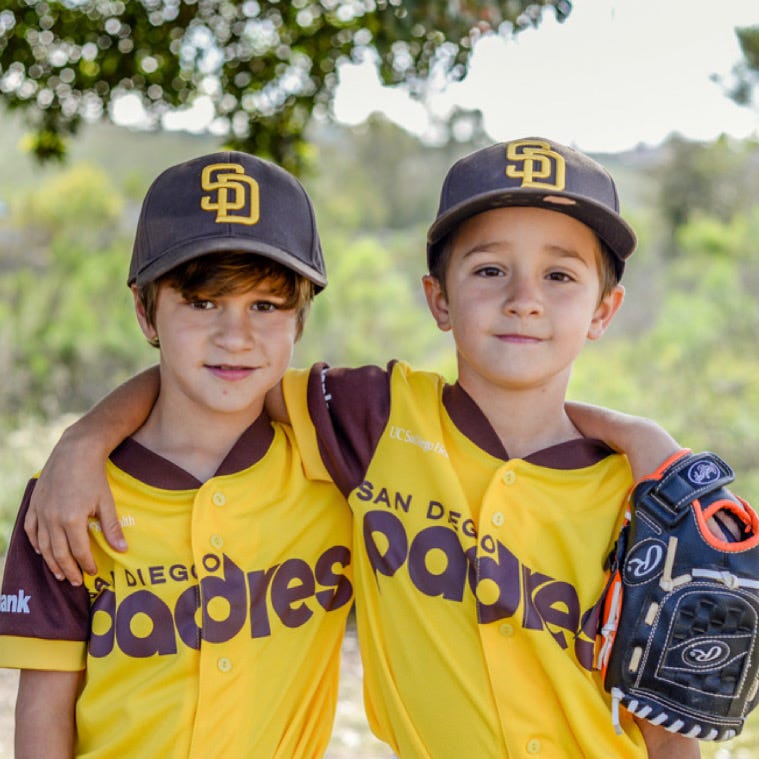
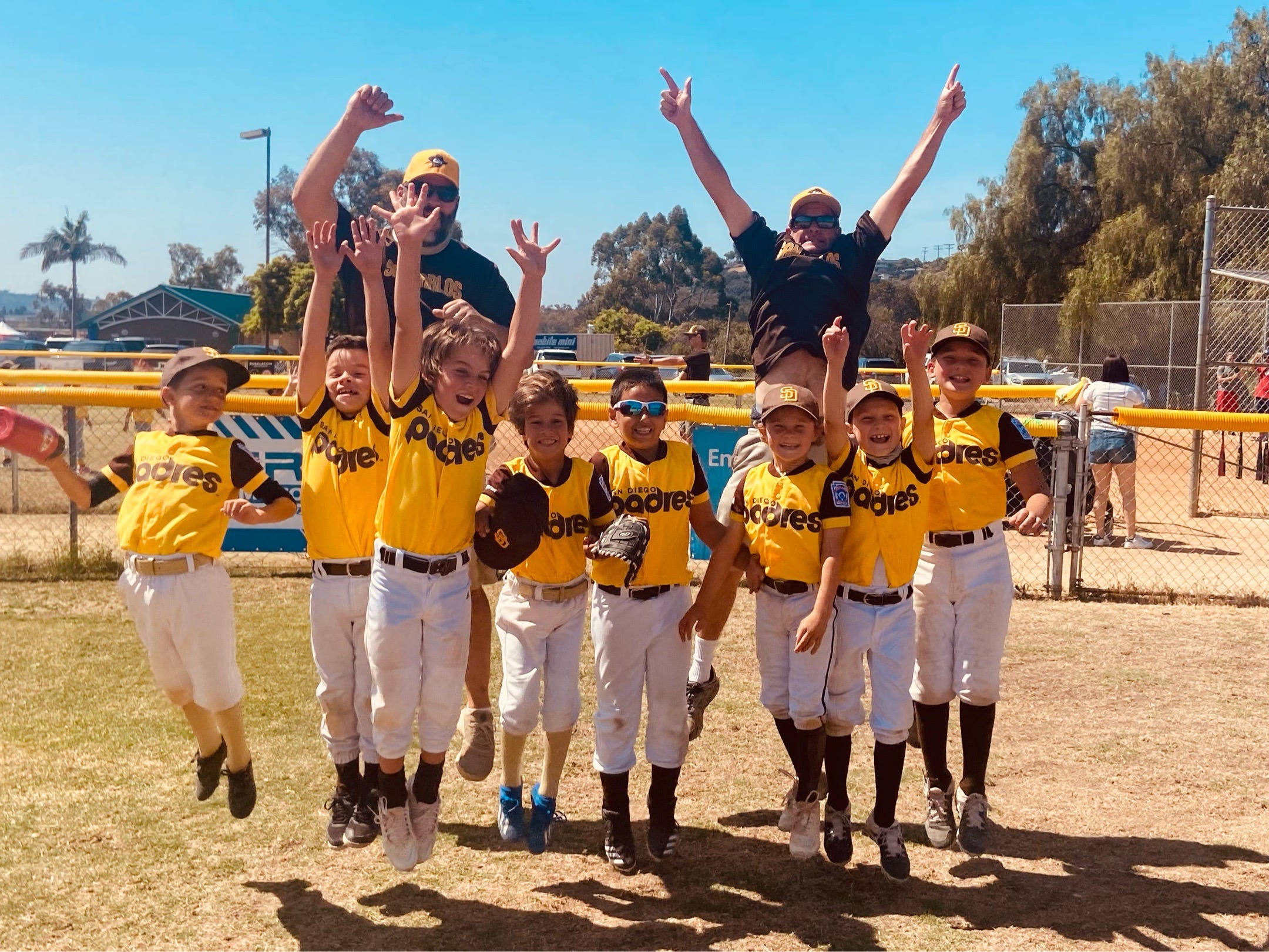
In one post I wrote, “The kid did it again last night,” after Alex pitched two scoreless innings to protect a one-run lead. The next day, he struck out the side to earn the save. The following morning, in the championship game, he started. He only had three innings of eligibility left, and he threw all three—striking out eight to help secure a 2–1 win.
Afterward, the opposing manager told me, “Alex threw a gem.” The umpire added, “Your kid has ice in his veins.”
Those comments were flattering. They were also clarifying.
Because early success doesn’t just bring confidence—it brings expectations. And expectations have a way of accelerating everything if you’re not careful.
Experiences like that pushed Elizabeth and me to learn.
We weren’t looking for shortcuts or guarantees. We wanted to understand how kids—especially young pitchers—stay healthy over time.
So we read. We listened. We talked with coaches and trainers we trust. We learned about arm care, mechanics, breaking balls, pitch counts, recovery, and long-term development.
If you’ve spent any time around youth baseball, you know curveballs are a hot topic. Some coaches believe certain grips—like the so-called football curve—can create movement with less stress on a young arm. Others argue that breaking balls shouldn’t be thrown at all before a certain age.
What we learned is this: while pitch type matters—and many believe the football curve is easier on young arms—overuse, fatigue, and poor mechanics matter far more. Workload and recovery are usually the real culprits.
And just as importantly, we made sure Alex understood why any of it mattered.
Arm care became part of his routine. Bands live in his bag. Pitch counts and rest days are carefully tracked.
We play a lot of catch, including long toss.
We work out together to build strength and mobility. Elizabeth and I also stress sleep and nutrition.
None of this is extreme. It’s just intentional.
A few years ago, we made another decision that felt important for Alex: we gave his pitching arm a long winter break—and we’ve stuck with it every year since. For our family, that means two months of no pitching—usually mid-December to mid-February.
Not because it’s the only way. Not because other families are wrong or someone told us to do it. We made the choice because it felt right.
The winter shutdown isn’t about doing less. It’s about building capacity—so Alex walks into the spring season feeling strong, fresh, and confident.
We want his arm to rest.
We want his body to rebalance.
We want his nervous system to reset.
We want to give him time to focus on infield and outfield work, his swing, strength training, and flag football—a game he enjoys nearly as much as baseball.
And we want him to come back wanting to pitch.
Knock on wood, Alex has never had a pitching injury. We’d like to keep it that way.
One thing we say often—and that Alex understands—is this: We’re not trying to develop an excellent 13-year-old pitcher. We want you to become an excellent 18-year-old pitcher.
That mindset changes everything.
It makes rest feel responsible, not lazy.
It makes saying “thanks but no thanks” easier.
It keeps the long game in focus.
I know how hard this can be.
When little league and travel ball seasons overlap.
When coaches need strike throwers.
When kids want to play in all the tournaments.
When parents worry about falling behind.
We’ve been fortunate with Alex’s coaches. They’ve made it clear—through their actions—that they care about his arm as much as we do. They want to compete and win, but not at the expense of long-term health, and they’ve been understanding and supportive of our approach.
We know that isn’t always the experience for families, and we’re grateful it’s been ours so far.
Here’s what we’ve come to believe: confidence doesn’t come from constant reps. It comes from capacity—when young ballplayers feel capable and ready.
Kids feel confident when:
their bodies feel good
their arms aren’t barking
they trust their preparation
they know there’s room to rest, recover, and grow
That’s true for pitchers.
It’s true for all athletes at all levels.
And it’s true well beyond sports.
Every family makes their own choices. Coaches have different philosophies. Circumstances vary.
This is simply what we’ve learned along the way—and what’s worked for our son and our family so far.
If nothing else, I hope it’s a reminder that sometimes the most supportive thing we can do for young athletes is slow things down, zoom out, and protect both their bodies and their love for the game.
Because the goal isn’t just healthy arms.
It’s healthy kids who still love baseball when it really starts to matter.
Go Deeper
Some of you are dealing with issues that keep you up at night: Your kid can’t recover after an error. He doesn’t like his coach. He’s constantly checking GameChanger and comparing himself to his teammates. He wants to quit.
That’s what my one-on-one coaching sessions are for.
Visit my Stan Store to book a coaching session, email questions, order playbooks, or inquire about speaking.
About Baseball Dad & PR Guy
Baseball Dad & PR Guy is a weekly newsletter about youth sports culture and how parents shape the experience for young athletes.
It’s built around the 5 Moments That Shape Young Ballplayers, from the nerves before a game to the car ride home.
From the stands, I write about those moments and what they mean for confidence, identity, and a kid’s love of the game.
Read more about the 5 Moments and why they matter.
⚾ Join our growing community of parents helping parents: Travel Baseball Moms & Dads on Facebook.
More at tonymanolatos.com