


If you’ve ever watched your kid walk off a field feeling small — benched, overlooked, or treated unfairly — you already know this: bad coaching can quickly drain the joy out of baseball.
The hard part is knowing what to do next… because handled the wrong way, it can make things worse for your child.
Some of you have reached out with questions and topics you’d like me to cover — and that kind of engagement helps all of us create what we want for our young athletes: a healthy environment for kids to learn, grow, and compete. So thank you — and please keep the questions coming. Happy New Year!
Bad Coaches (and What to Do About Them)
There’s no shortage of information out there about bad coaches, so I haven’t weighed in much…but I hear you when you tell me:
“My kid isn’t being treated fairly, and I’m not sure what to do about it.”
When we zoom out and look at the parent–coach–player relationship, a few things are obvious:
Bad coaches have been around forever.
So have bad parents.
And dealing with a bad coach is rarely simple.
There are some common do’s and don’ts, but your approach should look different in Little League than it does in travel ball.
The best general advice I can give is this:
Empower your child. Encourage them to talk to their coach. Support them through good and bad coaching. And have honest conversations at home.
That’s the foundation. But it’s not the only advice.
First, a couple truths we all need to acknowledge.
1) Some parents are the problem.
They’re easy to spot: wound too tight, always gossiping, always in the coach’s ear, convinced their kid would thrive if only he got more reps…and that a D1 Power 5 scholarship is right around the corner.
Avoid these parents.
2) Some coaches simply aren’t going to like you — or your child.
It’s the same thing with teachers and bosses. Think about how many you look back on fondly. Not many.
The ones who stand out are revered because they believed in you, saw something others missed, and treated you like you mattered. Those relationships are rare.
Before I continue, I want to stress the obvious: we all make mistakes.
I’ve been a Little League parent, coach, and manager. I made mistakes wearing all three hats. I’m also a travel ball parent and I’ve made mistakes there, too.
None of us are perfect — but we can help each other help our kids.
Red Flags: When You Should Step In
Most coaching issues are frustrating but manageable — and many are best handled by supporting your child, teaching them to advocate for themselves, and taking the long view. But some situations require parents to step in immediately.
Here are the red flags I would not ignore:
Unsafe pitching or overuse.
If your kid’s arm is hurting, if pitch counts are being ignored, if they’re throwing too many innings in a weekend, or if they’re being pushed to pitch through fatigue — that’s a hard stop. Protect the arm. Period.Belittling, humiliation, or verbal abuse.
Coaching hard is one thing. Embarrassing kids, name-calling, or using shame as motivation is something else entirely.Retaliation or punishment for parent/athlete communication.
If a coach benches your kid because your child respectfully asked a question — or because you asked one — that’s a major red flag. Good programs don’t operate like that.Favoritism that crosses into dishonesty.
Politics are a part of every program. But if the lineup decisions and opportunities consistently ignore effort, accountability, or fairness — and your kid is being scapegoated — pay attention.Your child dreads baseball.
If your kid is anxious before practice, hates being around the coach, or starts saying “I don’t want to play anymore”… don’t brush it off. That’s often the loudest signal.
When those red flags show up, your job is to protect your child’s well-being and their relationship with the game.
Little League
We’ve all seen coaches who play favorites — especially in Little League, where teams are mostly coached by volunteer dads and moms. Their kids and their kids’ friends are usually going to be treated better than everyone else.
It’s so common there’s a name for it: Daddy Ball.
Last season, a dad from an opposing team (who also happens to be my neighbor) approached me in the parking lot to quietly complain about a manager pitching his own son 70–80 pitches most games, leaving few opportunities for other pitchers.
Another parent (also a neighbor) complained that her son’s manager yelled at the kids (11- and 12-year-olds) a lot and belittled some of them.
Unfortunately for those parents, those managers weren’t just managers. One was a board member. The other was married to a board member.
The point is: some of these people are protected. Politically connected. Untouchable.
And approaching them or board leadership with complaints often makes things worse for your child.
A couple seasons ago, board leadership emailed all All-Star parents warning that if you complained to the manager about playing time, your son could be benched as punishment.
I read it three times because I couldn’t believe that warming was in writing — over a kids’ game.
Did some parents need to chill out? Absolutely.
But sending a message like that to every All-Star parent felt heavy-handed and reckless.
Unless something truly toxic is happening, my advice in Little League is usually this:
Bite your tongue. Limit your expectations. Support your kid through the drama. Be honest with them.
They’re 10, 11, 12. This isn’t life or death. For many kids, the primary reason they’re out there is because their friends are.
And kids are smart — they can usually tell you quickly who the good coaches are, who the bad coaches are, and who the best players are.
That said, if your son or daughter wants to quit and you believe it’s because of the coach…you should get involved.
Just do it carefully, discreetly, and with the long view.
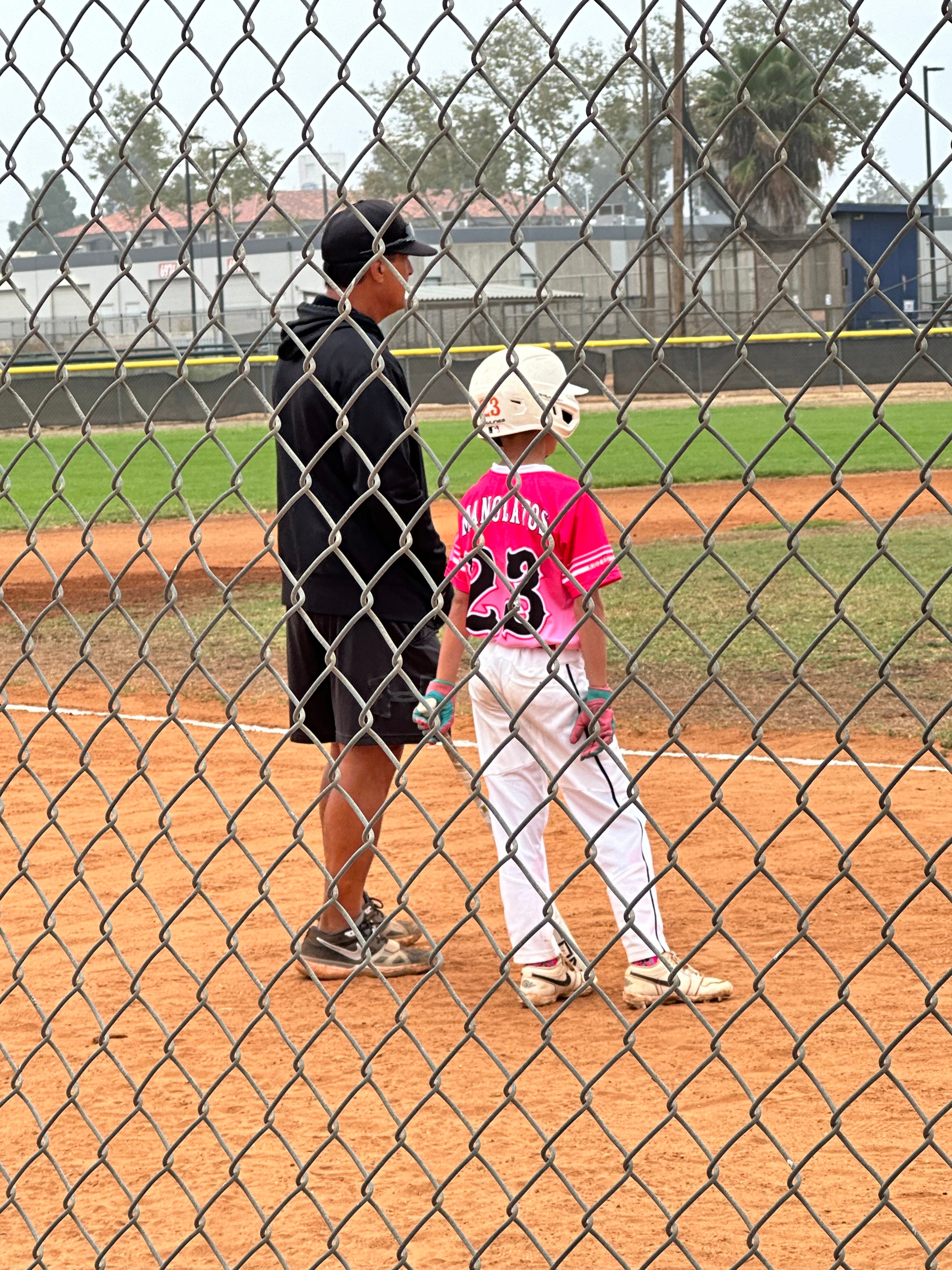
Travel Baseball
Travel ball is a different story.
You’re paying a lot of money. You’re investing a lot of time. So it’s reasonable to expect good coaching — not Daddy Ball.
Some neighborhood travel teams are coached by dads. Most are great guys with good intentions…but they’re still dads. And a father is always going to love his son more than anyone else on the diamond. That’s human nature.
These neighborhood teams can still offer a ton of value — especially for younger kids just getting into travel ball.
The next tier of travel clubs are more organized and often led by professionals — and those coaches usually aren’t coaching their own kids.
If you feel a travel coach is treating your child unfairly, here’s what I recommend:
1) Observe first — and remove emotion.
Spend time watching practices, not just games.
Ask yourself honestly: Is my son really being treated unfairly…or is he being coached hard?
2) Encourage your child to talk to the coach.
This matters. It builds confidence and self-advocacy.
The best time is before or after practice, away from everyone else — not after a game.
Coach them to say something like:
“Hey coach, can I talk to you for a second? What do I need to do to pitch more?”
“What do I need to do to bat higher in the lineup?”
“What do I need to do to earn more reps in the infield?”
3) Manage expectations — and teach the truth.
If your kid is on a good team, there’s probably a lot of talent and competition. That environment will make them better — and it mirrors what they’ll experience in high school and beyond.
Also, remind them of these baseball truths:
The kids who hit, play.
The kids who throw strikes, pitch.
The best athletes usually find a role, especially in the biggest games — and many coaches put their best athletes in the outfield because they can cover more ground and make plays others can’t.
4) Be careful with “parent conversations.”
Look…we all talk. 😂 I’m not going to tell you not to share frustrations, but be smart.
Don’t gossip. Ask questions. Gather information. Be discreet.
Sometimes, parents quietly gathering info and approaching leadership respectfully has led to productive conversations. There can be strength in numbers — but only if it’s handled well.
If Nothing Changes: Talk to the Coach
If things aren’t improving, talk to the coach — but do it quietly, calmly, and privately, and ideally in person but not after a game.
You’re within your rights to ask: “What can my son/daughter do to earn more playing time?”
Be prepared to hear things you don’t want to hear. Stay respectful. Ask questions. Avoid opinions.
If the coach gets defensive, don’t escalate. Wind it down and revisit later if needed. Sometimes coaches process a conversation and find common ground after they’ve had time to think.
The Car Ride Home: What to Say (and What Not to Say)
If your kid is struggling with a coach, the car ride home matters even more.
They’re going to replay everything in their head: the missed reps, the comment the coach made, feelings of being overlooked.
Your goal isn’t to fix it in the car. Your goal is to make the car a safe place.
Here’s what works:
Say this:
“I love watching you play.”
“I’m proud of how you kept your head up.”
“What did you feel good about today?”
“Do you want advice… or do you just want me to listen?”
“We’ll handle it — together. But we don’t have to solve it right now.”
“Want to grab a burger?” ««Underrated parenting move.
Avoid this:
“Why didn’t you…?”
“You should’ve…”
“Your coach is an idiot.”
“If I were the coach…”
Anything that turns your kid into a walking complaint.
That last one is important. If your kid learns that complaining is the way to cope, you’re not helping them. But if they learn to reflect, advocate, and stay confident — they’re maturing and building character.
Switching Teams
If all else fails — and you’re convinced the situation is unfair and won’t improve — it may be time to find another team.
A few important notes:
Find a new team before you leave the old one.
Don’t leave mid-season.
Don’t leave in a huff.
Take your time and find the best fit.
Your kid should be playing — not every inning of every game, but they should be getting quality reps with strong teammates around them.
Also remember: your child won’t grow much if they’re always the best player on the field.
If you do decide to switch teams, leave respectfully, and make sure it’s truly the right move for your son or daughter.
Because in the end: This is their journey.
Bad coaching can crush confidence fast — and bad parenting can make it worse. But when we stay calm, teach our kids to advocate for themselves, and protect their joy, we change the culture one family at a time.
The goal isn’t perfect coaching. The goal is a kid who feels supported, keeps growing, and still loves the game when the season ends. That’s the win.
About Baseball Dad & PR Guy
I started Baseball Dad & PR Guy to share what I’ve learned from two worlds that have more in common than you’d think — youth baseball and public relations. Both teach preparation, communication, leadership, patience, and how to handle life’s curveballs.
Through my 12-year-old son Alex, his teammates, and his coaches, I’ve come to love baseball — all its beauty and all its challenges. My goal is to help baseball parents avoid common mistakes and support the journey their son or daughter is pursuing. On the PR side, my goal is to help young public relations professionals reach their potential.
Baseball and public relations both teach lessons that transcend the ball field and the PR world — so there’s really no reason not to subscribe.😎
⚾️ Join our growing community of parents helping parents: Travel Baseball Moms & Dads and Baseball Parents Podcast on Facebook and Instagram. Please also check out my website, tonymanolatos.com, and my linkapalooza. 🔗