


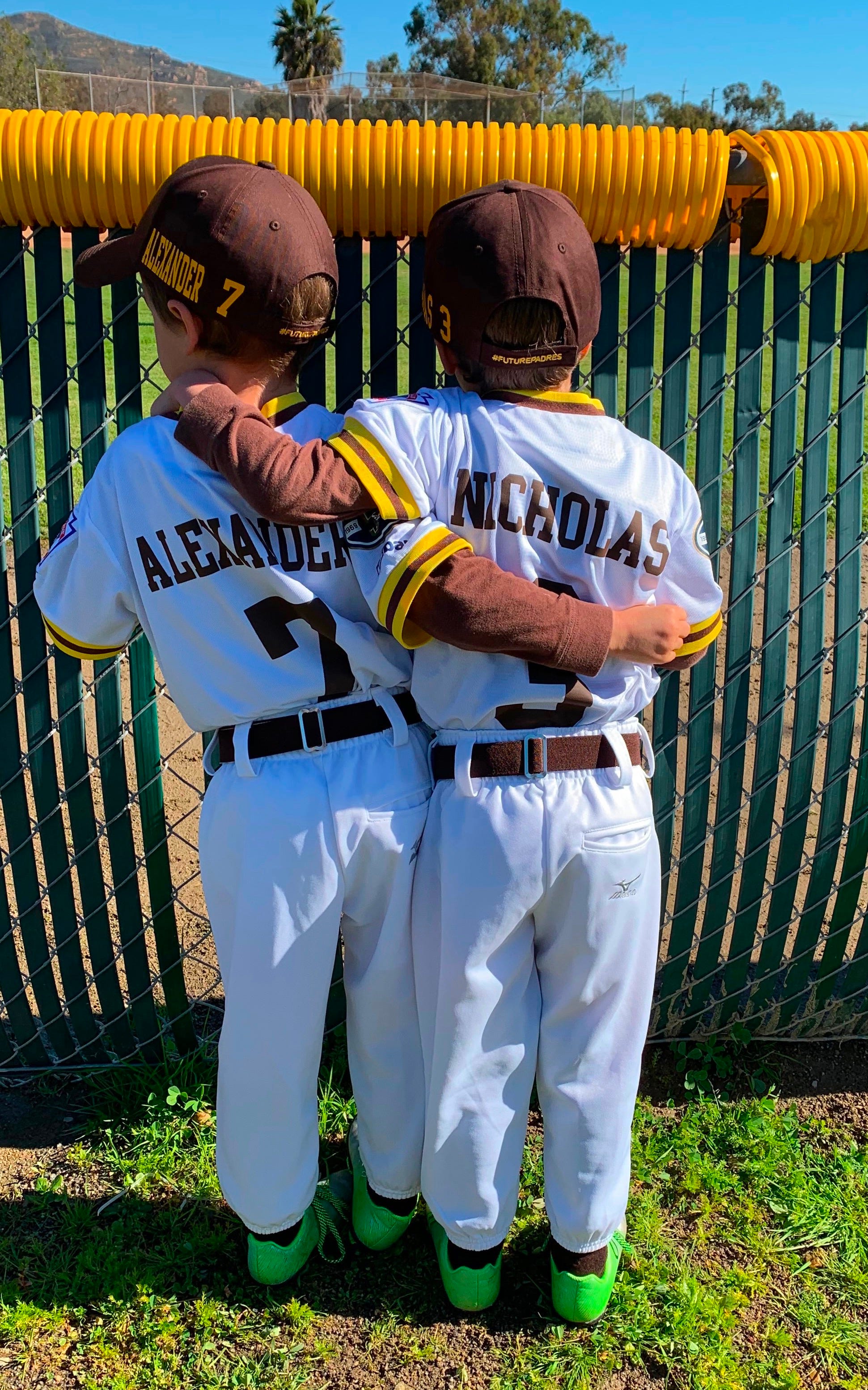
After the little boy hit the ball off the tee he took off — for third base.
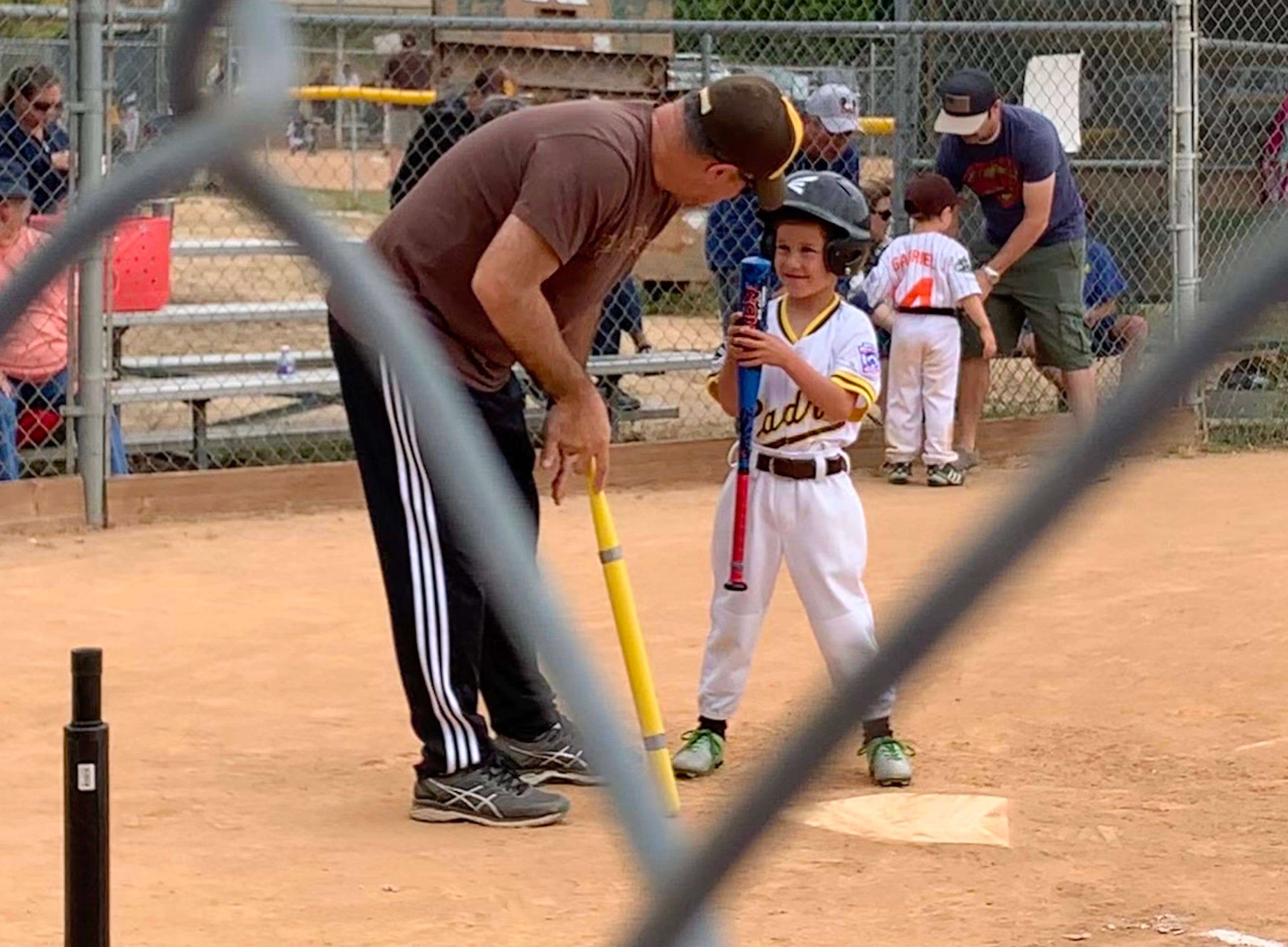
Elizabeth was my bench coach back then and she had a tougher job than me. I managed our twins’ t-ball team and that meant I was at the plate when our team was batting. I laid down a Wiffle bat in the batter’s box to help the boys align their feet. I adjusted their hands. I reminded them to keep their eyes on the ball.
When I looked into the dugout, I’d spot Elizabeth, arms stretched out like a safety patrol officer at a crosswalk holding kids back from walking onto the field. She did that while scanning the bench to find the next batter to get him ready to send my way.
We both let out big belly laughs when that kiddo took off for third.
“No, this way! First base is this way!” we said over the laughter.
We introduced our twin boys to organized baseball when they were 5 because baseball is a fun, beautiful game. It’s a kid’s game. Go to any field near you and you will see why it’s America’s pastime. The smiles tell the story, and when there are no parents around — at backyard Wiffle ball games, for example — the laughter comes from the gut.
The game has other sides too. It’s not always fun. It’s not an easy game to play well, and I write a lot about how adults sometimes hurt the game and the kids who play it.
I've heard mindset coaches ask struggling ballplayers a simple question: Why did you start playing?
The answer's always the same. Because it was fun. Go back there, they tell them. Remember that. Find your joy. Build on it.
I think about that a lot now. How much of the last eight years has been Elizabeth and me finding our way back to that same simple answer, especially on the days when it’s easier to forget it.
We never walked away because the game has given us too many reasons to stay. It had the same effect on our parents.
My dad was my football and baseball coach. He also coached my younger brother, Mychal.
My brother was one of those gifted athletes. I was not. I attended a good co-ed Catholic high school, Bishop Foley, in suburban Detroit. Mychal attended Birmingham Brother Rice, all boys and one of the top high schools in the state. He was a two-sport athlete, baseball and football.
My brother’s high school baseball team won the state championship when he was a junior. He pitched in that game. Fastball in the high 80s. Middle infielder who threw lasers across the diamond. He quit playing baseball before his senior season. Hated his coach. A year later, he walked on at Western Michigan University as a freshman along with about three dozen other kids, all of them cut by the last day of tryouts except for Mychal and another kid. When it was over, Mychal would be the last kid cut. The coaches at Western loved his arm. “But I didn’t hit at all,” he says now. “If I had hit even a little, I probably make the team.” He lives in Chicago now with his family, and he runs a successful business. Everyone in our house calls him Uncle Mike. Proud of him.
My dad passed away three years ago, but he’s still with me, and so are the stories he told about playing baseball and football as a kid near his home in southeast Detroit, not far from Tiger Stadium and the automotive factories that built the city. Football was his best sport. He was good enough to earn a full-ride scholarship to play at Ball State, in Indiana. His parents, Greek immigrants who ran a neighborhood diner open around the clock, told him he had to turn that scholarship down. They needed him close to home, working the restaurant. So instead of leaving for Indiana, he enrolled at Wayne State and became an X-ray technician.
Becoming a certified X-ray tech may have saved his life. When he was drafted for Vietnam, the Army saw he was trained in radiology and stationed him at a military hospital in El Paso instead of sending him into combat. He spent two years there, taking X-rays. He was still in Texas when Detroit erupted in riots in the summer of 1967. For more than a week, the Red Cross tried and failed to reach his parents — the phone lines in their part of the city had burned along with most everything else. When they finally got through, his mom and dad were fine. So was the restaurant.
I loved those stories, but not as much as I loved watching him play softball on Friday nights with some other dads from our neighborhood and younger guys he worked with. All of us would attend those games — my mom, my sister, my brother.
Football was the only sport I was ever good at, and football was a big deal in our home, located 45 minutes north of the city. I was raised Catholic, but Bo Schembechler, the legendary Michigan football coach, was revered more than the Pope in our house.
It was baseball, though, that brought us together more often. Maybe because the season ran longer, was played over warm weather months in the Midwest, and the tickets were affordable, especially if you sat in the outfield bleachers. Whatever the reason, part of the game’s magic is its ability to bring people together.
I remember sitting at our kitchen table, green carpet under my feet because it was the 1970s, and listening as my mom called Tiger Stadium to confirm that Mark Fidrych was pitching. We had tickets to the game that night and by then The Bird (Fidrych’s nickname) was a national sensation.
“The Bird is pitching! The Bird is pitching!” my mom shouted as she hung up.
Nowadays she uses GameChanger to watch Alex’s games and bridge the gap between her home in Michigan and ours in San Diego.
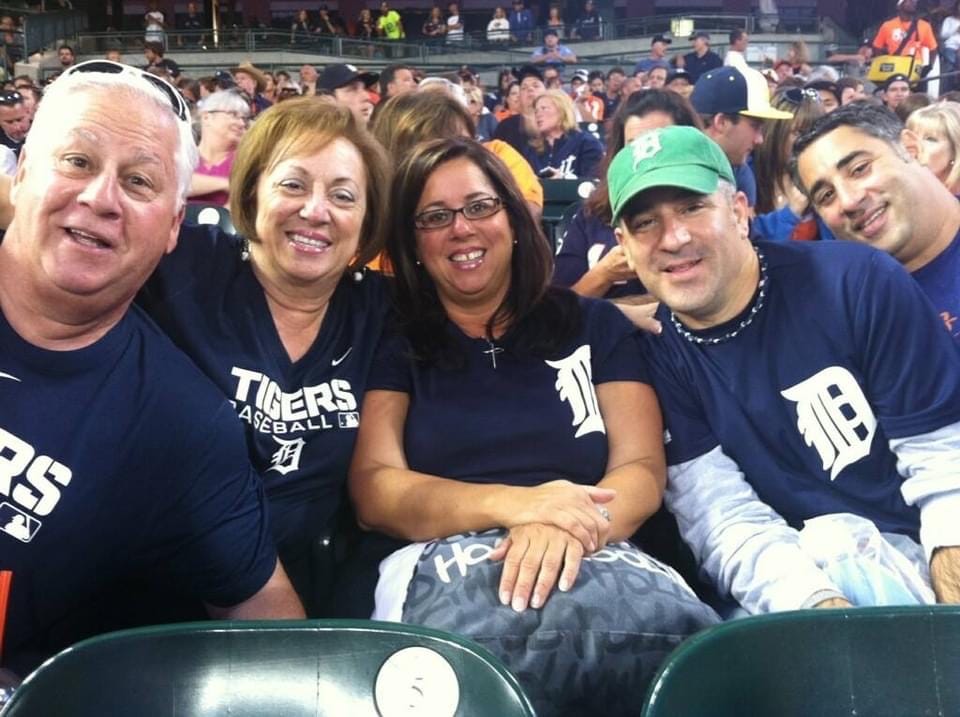
Elizabeth was on the Crew Team at the University of Wisconsin. The smallest on her team, she had to fight to earn her spot and the trust of her coaches. It probably helped that she was a standout swimmer in high school, an excellent student, and a tough kid who grew up with working parents in Milwaukee, in a neighborhood that reminds me of the one where my dad grew up in Detroit. A lifelong Brewers fan, she has a soft spot for guys like Rollie Fingers and Bob Uecker. Her mom and stepdad are longtime Brewers season ticket holders and we often meet them in Arizona for spring training.
In San Diego, baseball plays an outsized role in our home, but only one of our kids plays. We have three kids: twin boys, Alex and Nicky, who recently turned 13 and started eighth grade; and Natalie, who is 22 and recently graduated from Arizona State University.
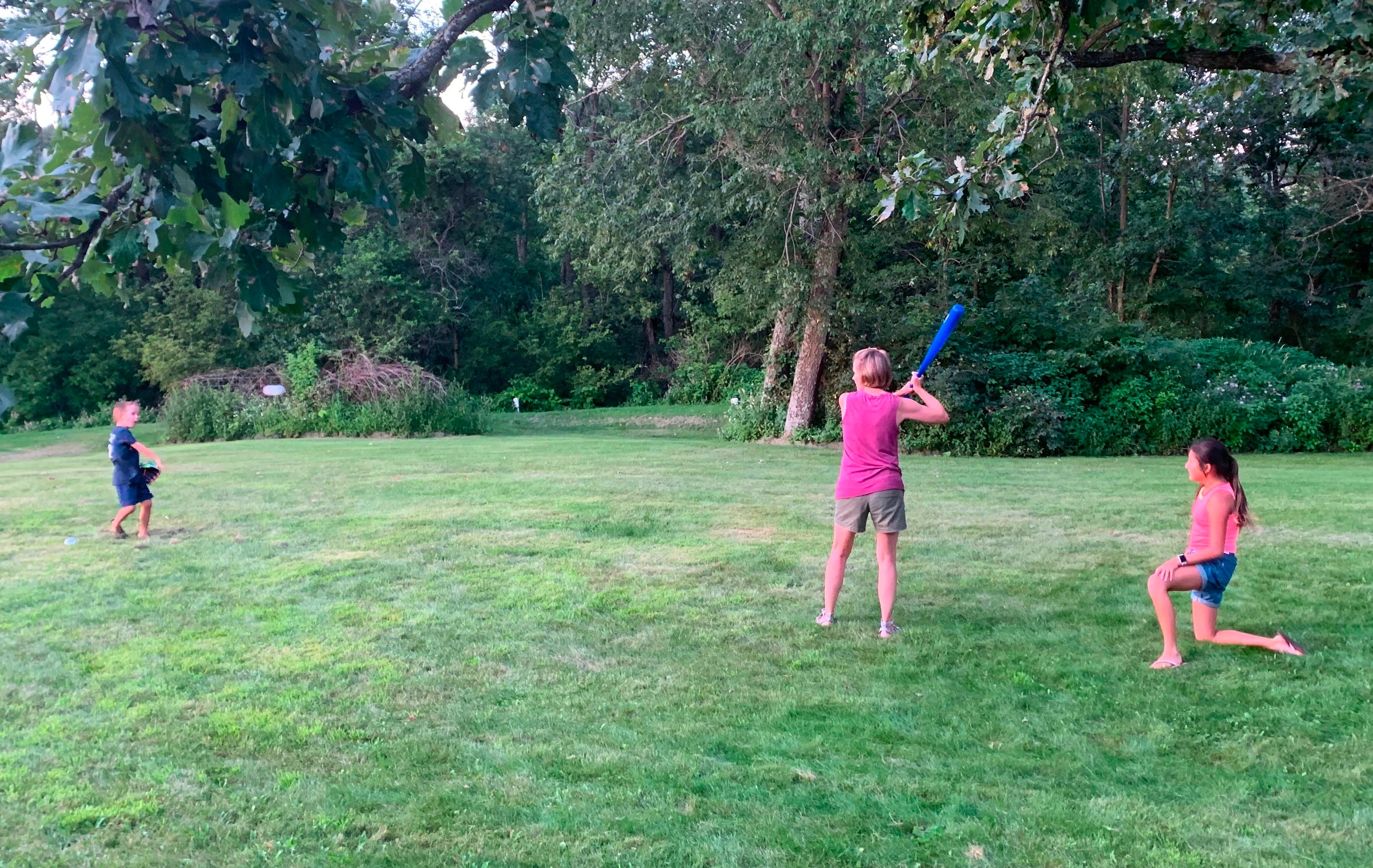
The twins played baseball together for four years — really three because they lost a season to COVID — starting when they were 5. I managed their first two teams, including the one that disbanded when everyone went indoors. I wouldn’t manage again until Alex’s last season of Little League, and only because he kept asking me to.
Their Rookies team, the season after lockdown, won the championship. I’ll never forget the smiles from that day. The boys talked about that win all summer.
Nicky quit playing baseball a year later, after his first season of Minors. He was tired of getting hit by the ball. He complained that the pitchers threw too fast and had no idea what they were doing or where the ball was going. He told me he would only play again if he could just pitch and play second base.
Nicky is athletic, but he never warmed to the pressure of organized sports. He wasn’t interested in being an athlete, preferring to invest his time and energy in creating art. You can see his natural athleticism at the park when he picks up a football and effortlessly tosses beautiful spirals to his brother, and the only ones watching are Elizabeth, me, and our dogs.
Back on that t-ball field, I had no idea Nicky would walk away from the game at such a young age. We supported his decision. Baseball had given him what he needed, and it was time for him to move on.
Alex swung the opposite direction. Baseball, like a lot of things in life, came easy to him. I don’t think he’s ever thought about not playing. He loves the game and the game seems to love him back.
There are moments when your kids are little when you realize they’re good at something. One of those moments occurred when we were at the Wiffle ball field the San Diego Padres maintained behind their field at Petco Park. Alex had just turned 6. The reaction from strangers looking on when Alex crushed a ball, and then watched it soar through the air, was priceless.
Nicky used to say, “I’m a good stancer,” because I used to tell him he had the best batting stance on the team. Alex, super competitive, didn’t like that.
Alex is one of those athletic kids, smaller than a lot of other boys on the field, but starting to catch up. Arm strength has never been an issue for him. “Dang,” I thought when he was 3 and threw me a ball in our backyard, immediately reminding me of my brother. “This kid has an arm.”
We love watching him play, especially when he’s on the mound or up to bat in a clutch spot. You could see when he was younger how he used pressure as fuel and how other kids hated those moments. Sometimes I watch him practice, less now that he’s older. When I do, I enjoy seeing how effortlessly he fields, how smooth he looks throwing a bullpen, how sweet his swings look when he’s locked in, and how he tosses the ball from anywhere on the field with strength and precision.
The last year he played Little League, my assistant coaches would ask me to catch Alex more because he was our best catcher — even though catcher was not his primary position. Early in the season, I gave in, but of course when I did, batter after batter would hit hard ground balls to shortstop, where he normally played.
The game has given Alex a lot of opportunities and taught him a lot about himself. There’s more baseball ahead of him, but nothing in that game is guaranteed. He plays travel ball year-round on a top team in San Diego, where some of the best youth baseball on the planet is played. He’s competed against some very good teams locally, and in places like Houston, Phoenix, Las Vegas, and Cooperstown.
The bigger stages sometimes bring bigger nerves. When that happens, Elizabeth has a way of taking Alex back to those early days. She stops him before he walks out the door, meets his eyes, and says: “Remember why you play this game, Alex. You play because you’re good at it and because it makes you happy. Baseball brings you joy. Find your joy. Try your best and have fun out there today. Mama loves you!”
I don’t coach anymore, and Elizabeth only coached that one season, but she’s the best coach I ever had. She was steady and supportive. She grounded me, too. Her smile and easy demeanor reminded me why we were out there.
“Managing t-ball is a lot like taking on a big, new client. A lot of work but the rewards are sweet. Couldn’t do it without my assistant coaches, starting w/Coach Elizabeth,” I wrote in a 2019 Facebook post sharing pictures from one of our practices. “If you look closely, you will see her in one of these photos in her cool straw hat. I told her she looked like an Alabama football coach with that hat on.”
We still have a good laugh sometimes about that little kid who ran to third base. He was just running, and smiling.
Go Deeper
As a parent coach, I help you help your kid play loose, with confidence and joy. The game gets harder, and our relationships suffer, when we add pressure.
If you’ve gotten the car ride home wrong, caught yourself coaching from the stands, or gotten caught up in the comparison trap, you’re not alone. None of us want to get these moments wrong. The good news: it’s fixable, and it starts with two short guides you can use before your kid’s next game.
Grab your parent playbooks — $20
Want something more specific worked through — your kid, your situation? I do that too.
Email me your issue and I’ll get back to you within 24 hours — $50
Book a coaching session — $150/45 minutes
Lastly, every week I drop new reels on Instagram: @tonymanolatos. Some are related to my essays. Some aren’t. It’s a place for parents to connect with me and each other, to share stories that are funny or moving, do’s and don’ts, and more.
About Baseball Dad & PR Guy
Baseball Dad & PR Guy is a weekly newsletter about youth sports culture and how parents and coaches shape the experience for young athletes.
Subscribers also get what I use after games — the Car Ride Home Playbook — what to say, and what to leave unsaid on the ride home.
My essays are built around the 5 Moments That Shape Young Ballplayers, from the nerves before a game to the car ride home.
From the stands, I write about those moments and what they mean for confidence, identity, and a kid’s love of the game.
Read more about the 5 Moments and why they matter.
⚾ Join the conversation: Travel Baseball Moms & Dads (Facebook)
⚾ Follow along: Tony Manolatos – Baseball Dad & PR Guy(Facebook)
More at tonymanolatos.com
Great article! Right on point! The game needs to stay fun . . . and the older the kids get, the more they need to WANT to be there. And as you say . . . we need to go back to why they enjoyed the game in the first place. I think youth leagues especially can't forget that the vast majority of their players aren't even going to play high school ball . . . let alone college or beyond. Keep it fun!